Application
Food Product Labeling
Labeling food products is subject to specific legal regulations that determine key parameters and the textual content of labels. In this way, legislative bodies protect consumers’ interests, enabling them to make purchasing decisions about food/products based on specific and clear information.
Read more
What should a food product label include?
Food product labels serve an extremely important informational function. The information contained on them should indicate all the key characteristics of a given product, based on which the consumer can make not only an informed but also a safe purchasing decision. The scope of food labeling is defined by Regulation (EU) No 1169/2011 of the European Parliament and of the Council of 25 October 2011 on the provision of food information to consumers.
According to the provisions of this legal act, a food product label must include:
- the name of the product, not one assigned by the manufacturer/distributor, but one indicating its type,
- a list of ingredients, including any food additives used, allergens, and information on the type of allergen-causing ingredient,
- information on the net content,
- the use-by date or minimum durability date,
- information on storage conditions,
- if applicable: information on preparation conditions,
- information on nutritional value (nutrient content),
- in the case of beverages: information on alcohol content if it exceeds 1.2%,
- manufacturer details.
A separate legal act, the Regulation of the Minister of Economy of 20 July 2009 on detailed requirements concerning the labeling of packaged goods, governs the labeling of packaged products. This term applies to any product (including food products) placed in a unit package of any kind, provided that the nominal quantity of the product is identical across the entire batch and does not exceed 50 l or 50 kg. What should food labeling packaged food? In addition to the information listed above (such as the best-before date or use-by date), labels on packaged food must include the name of the product, its nominal quantity, and the details of the packaging company, the party commissioning the packaging, the importer, or the entity bringing the product into the country.
It is also worth mentioning that separate legal regulations apply to the labeling of products intended for particular nutritional uses. This term covers foodstuffs that are characterized by a special composition or require a special preparation process, which distinguishes them from foodstuffs intended for general consumption. This term also applies to products placed on the market to satisfy specific nutritional needs. Under the Regulation of the Minister of Health of 16 September 2010 on foodstuffs intended for particular nutritional uses, labels affixed to such products must include the product name and information regarding the specific nutritional characteristics and intended use of the foodstuff (instead of information on specific nutritional characteristics, in the case of products for infants and young children). If the regulations do not specify detailed health requirements for a given foodstuff, the label must also include information on:
- specific characteristics regarding the quantitative and qualitative composition, or information about a special production process,
- the energy value of the product and the content of macronutrients per 100 g/ml, and, where necessary, also per suggested serving size.
How to read food product labels?
From the average consumer’s point of view, the most important information on a label is the ingredient list. It is worth knowing that individual ingredients are listed in descending order. This means that the ingredient present in the largest quantity is listed first. In addition, allergens are always highlighted, for example with a different color, background, or font.
Which devices should you choose for labeling food products?
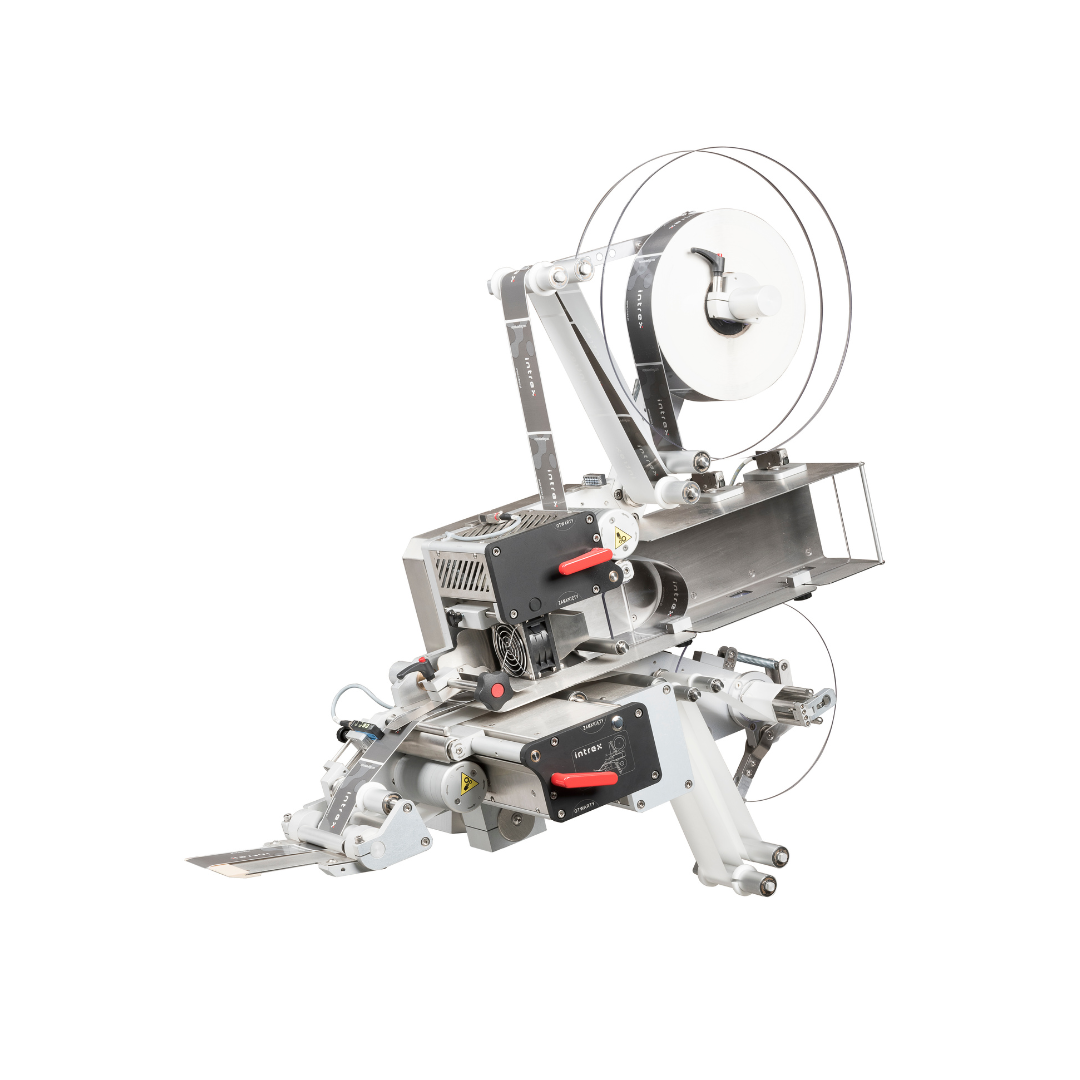
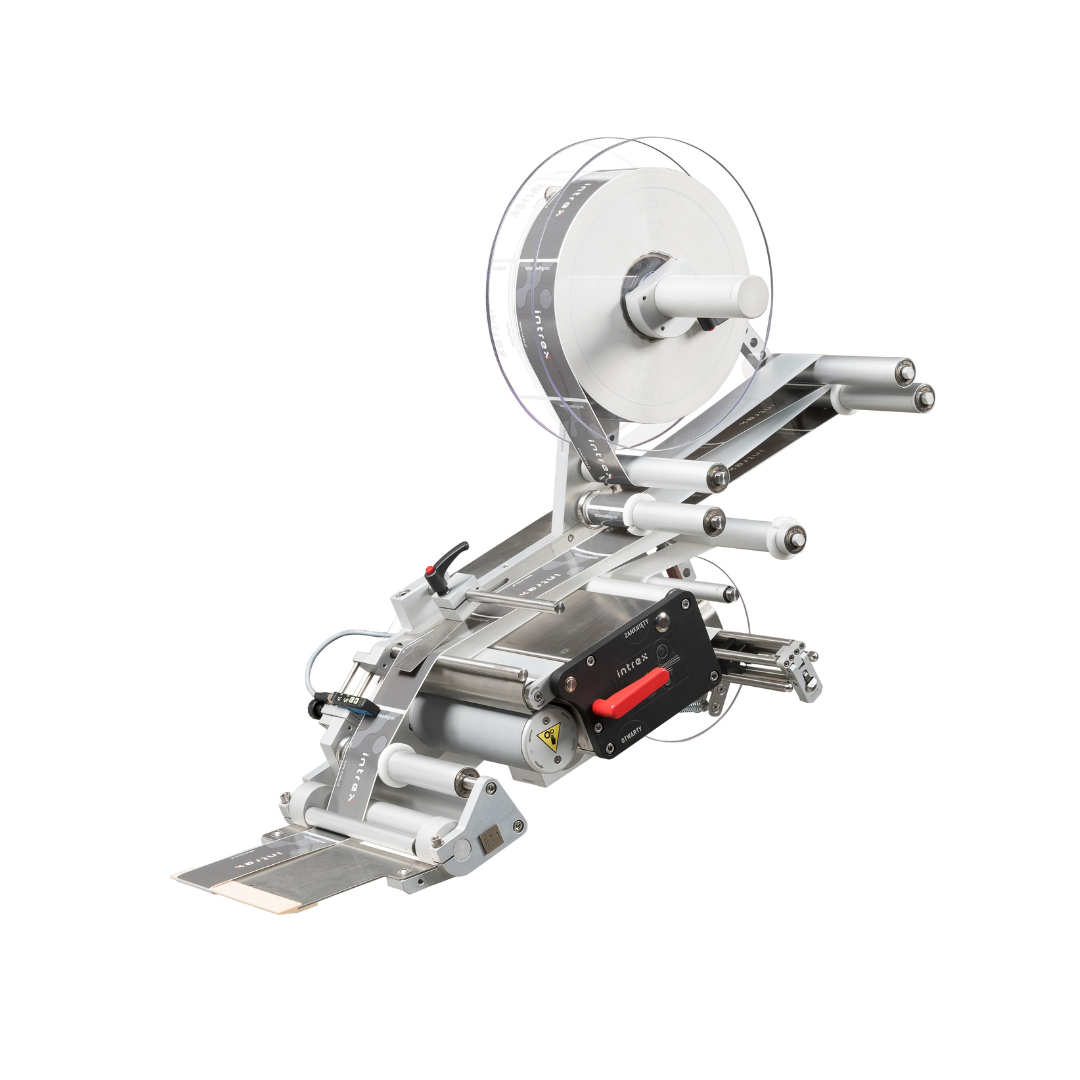
A labeling machine for food products should be matched to the throughput of the production line it will be working with. In addition, the specification of such a machine must take into account the type of packaging. In the food industry, models designed for cylindrical packaging are used primarily: bottle labeling machine and, operating on the same principle, jar labeling machine .
Why choose our labeling solutions for food products?
Thanks to 30 years of experience in designing and manufacturing labeling machines, we are able to offer every customer solutions perfectly tailored to their needs. We adapt our labelers to the specific requirements of each production line. We provide comprehensive support, including installation and warranty service, as well as post-warranty maintenance.